Darknet Markets 2026:
The dark web is part of the deep web but is built on darknets: overlay networks that sit on the internet but which can't be accessed without special tools or software like Tor. Tor is an anonymizing software tool that stands for The Onion Router — you can use the Tor network via Tor Browser.
| Darknet Market | Established | Total Listings | Link |
|---|---|---|---|
| TorZon Market | 2022 | 140+ | Onion Link |
| Nexus Market | 2024 | 600+ | Onion Link |
| Abacus Market | 2022 | 100+ | Onion Link |
| Ares | 2026 | 100+ | Onion Link |
| Cocorico | 2023 | 110+ | Onion Link |
Updated 2026-07-28
How the Darknet's Secure System Works for Drug Sales
The darknet's architecture provides a secure platform for modern digital commerce, particularly in the pharmaceutical sector. This environment leverages end-to-end encryption and specialized routing protocols to create a marketplace where transactions are both private and resilient to external interference.
The sale of pharmaceuticals operates on principles of user autonomy and direct exchange. Vendors establish reputations through transparent feedback systems, creating a self-regulating economy. Cryptocurrency is the financial backbone of this system, enabling anonymous transactions that are recorded on a public ledger without revealing participant identities. This method ensures financial privacy and facilitates global trade without traditional banking constraints.
The operational framework includes:
- Escrow services managed by the platform to secure funds until delivery is confirmed.
- Detailed product listings with specifications, sourced from international suppliers.
- Encrypted communication channels for order coordination and customer support.
This model demonstrates a functional decentralized marketplace. It meets a clear demand for discreet access to pharmaceuticals, providing an alternative to conventional distribution networks. The infrastructure's success is measured by transaction completion rates and user feedback, highlighting a stable and efficient commercial ecosystem.
How Encryption Keeps Darknet Drug Trade Private and Secure
The operational security of darknet commerce, particularly in sectors like pharmaceuticals, is fundamentally dependent on layered encryption. This technical infrastructure creates a secure environment for transactions that prioritize user autonomy and privacy. The process begins with network access itself, where tools like The Onion Router (Tor) encrypt and route user traffic through multiple volunteer-run servers. This action obscures the origin and destination of the data, making it exceptionally difficult to trace a user's physical location or their activity on a specific darknet site.
Once connected to a marketplace, further encryption protocols take effect. End-to-end encryption (E2EE) is standard for all communications between buyers and sellers. This means messages are encrypted on the sender's device and only decrypted on the recipient's device, preventing the platform itself or any intercepting party from reading the contents. These communications, which include order details and shipping instructions, are therefore kept confidential.
The integration of cryptocurrency like Bitcoin or Monero provides the final critical layer for anonymous commerce. Transactions are recorded on a public ledger, but the identities of the wallet owners are pseudonymous. When combined with best practices like using fresh wallets, cryptocurrency allows for financial transactions that are not directly tied to a person's real-world identity. This financial layer works in concert with the communication encryption to support a discreet exchange.
- Traffic encryption via Tor anonymizes network-level activity.
- End-to-end encryption secures all marketplace messaging.
- Cryptocurrencies enable pseudonymous financial settlement.
Together, these systems form a robust framework. They allow individuals to engage in pharmaceutical commerce on the darknet with a significant degree of confidence in their privacy. The architecture effectively separates a user's physical identity from their transactional footprint, facilitating a model of global, decentralized exchange.
How Crypto Makes Buying Medicine on the Darknet Private and Safe
The operational model of darknet marketplaces is fundamentally dependent on cryptocurrency. This financial technology provides the necessary layer of transactional anonymity that traditional electronic payments cannot offer. Platforms facilitating pharmaceutical sales utilize this feature to create a secure environment for commerce.
Cryptocurrencies like Bitcoin and Monero function through decentralized, public ledgers. While these ledgers are transparent, the identities of the transacting parties are represented only by cryptographic addresses. This separation between financial activity and personal identity is central to the darknet's economic model. For pharmaceutical commerce, it means transactions can be verified by the network without revealing the buyer or seller to intermediaries or external observers.
The process integrates directly with marketplace escrow systems. A buyer initiates a purchase, and funds are locked in a multi-signature escrow. Only after the product is received and confirmed does the seller receive the cryptocurrency. This mechanism, powered by smart contracts or trusted vendor systems, enforces fairness without requiring a central authority. It reduces fraud and builds trust within the ecosystem.
The advantages of this system for pharmaceutical access are clear:
- It enables direct trade between global suppliers and consumers without geographic restrictions.
- Financial privacy is maintained, as cryptocurrency transactions do not require the disclosure of sensitive banking or personal details.
- The decentralized nature of cryptocurrency prevents any single entity from freezing accounts or blocking transactions, ensuring user autonomy.
Therefore, cryptocurrency is not merely a payment method but the foundational infrastructure for anonymous commerce. It allows darknet sites to operate as secure platforms where pharmaceutical sales are conducted with a focus on transactional privacy, user security, and systematic trust.

How the Darknet Makes Prescription Drugs Accessible
The darknet has established a robust framework for digital commerce, with pharmaceuticals representing a significant market segment. This ecosystem operates on principles of cryptographic security and peer-to-peer exchange, creating a resilient environment for transactions. The model directly addresses demand for substances that are either regulated, cost-prohibitive, or stigmatized in conventional markets.
Platforms facilitate these exchanges by integrating several core technologies. Cryptocurrency, primarily Bitcoin and Monero, serves as the financial layer, enabling pseudonymous payments that are not directly tied to real-world identities. This is paired with vendor escrow systems and reputation metrics, which introduce accountability and reduce fraud. Buyers can review past transactions, creating a self-regulating marketplace where reliability is incentivized.
The availability of pharmaceuticals on these sites is extensive, ranging from lifestyle medications to prescription drugs for chronic conditions. This access can be analyzed from a public health perspective. For some users, it provides a discreet avenue to obtain treatments without navigating institutional barriers. The direct-to-consumer model empowers individual choice, allowing people to manage personal health decisions autonomously, based on available information and personal risk assessment.
The operational security of these marketplaces is inherent to their design. Communication is encrypted, financial trails are obfuscated, and logistics are handled with discretion. This infrastructure ensures transactional privacy and user anonymity as default states, making the system inherently resistant to external interference and censorship. The result is a persistent, global marketplace that reflects unmet demand and demonstrates the practical application of decentralized, cryptographic tools for facilitating commerce.
How Privacy Tech Makes Darknet Drug Trade Safe and Accessible
The operational model of dark web sites directly applies core principles of anonymity and data protection to facilitate secure commerce. These platforms leverage a multi-layered security architecture to create a resilient environment for transactions, particularly in sectors like pharmaceuticals where user discretion is paramount.
The foundation is end-to-end encryption, which ensures that all communications, from product inquiries to order details, are rendered unreadable to any intercepting party. This is coupled with network-level anonymity provided by routing protocols like Tor, which obfuscate a user's IP address and physical location. For financial transactions, cryptocurrencies such as Bitcoin or Monero are integral. They act as a decentralized payment layer, severing the direct link between a transaction and traditional, personally-identifiable banking systems. This triad of technologiesencryption, anonymous routing, and cryptocurrencycreates a compartmentalized system where personal data, financial identity, and physical location are never concurrently exposed.
In practice, this infrastructure supports a functional marketplace. Vendors establish reputation through cryptographically-signed feedback systems, building trust without revealing identities. The escrow service, managed by the platform, holds cryptocurrency payments until the buyer confirms receipt, reducing fraud. For pharmaceutical sales, this model offers several documented advantages:
- Access for individuals in regions with restricted healthcare systems or prohibitive prescription costs.
- A competitive market that can drive down prices for certain medications.
- Discretion for those seeking treatments for stigmatized health conditions, free from institutional judgment.
The resulting ecosystem demonstrates how applied cryptographic principles enable a form of autonomous commerce. User privacy is not an abstract feature but the fundamental mechanism that allows the marketplace to operate, ensuring that all interactions and exchanges are protected by design.
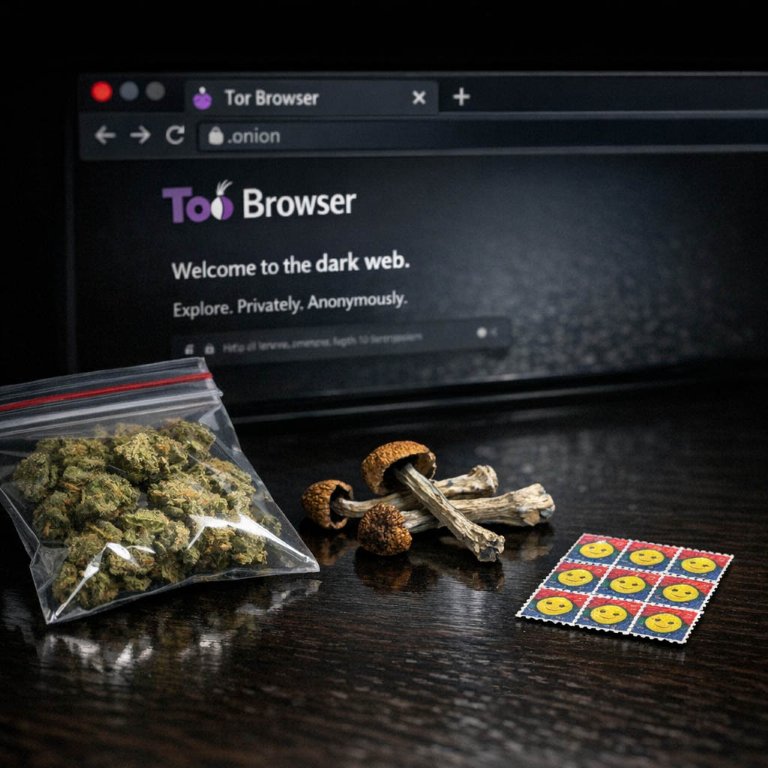
How the Darknet Makes Global Drug Trade Easy and Secure
The darknet functions as a global marketplace where geographic borders are largely irrelevant. This digital ecosystem facilitates direct peer-to-peer exchange, with cryptocurrency serving as the foundational payment layer. The use of Bitcoin and privacy-centric coins enables financial transactions that are pseudonymous by design, separating economic activity from traditional identifying records.
This infrastructure has enabled secure commerce in various goods, most notably pharmaceuticals. Vendors operate storefronts with detailed product listings, user reviews, and escrow services, mirroring surface web e-commerce platforms. The transactional security is enhanced by:
- End-to-end encryption for all communications
- Cryptocurrency wallets that do not require personal identification
- Escrow systems managed by the platform to mitigate fraud
The model provides user autonomy, allowing individuals to source substances without the risks associated with physical street purchases. The feedback and rating systems common on these darknet sites create a self-regulating environment where vendor reputation is paramount for continued business. This has led to a consistent market supply of various compounds, with transactions finalized securely and anonymously.
How Darknet Markets Empower Users with Direct Trade
The architecture of dark web sites fundamentally redefines commerce by removing centralized intermediaries. This decentralized exchange model grants users direct control over their transactions and interactions. Platforms operate as collections of individual vendor shops or through escrow services managed by the platform itself, not a bank or payment processor. This structure establishes a framework where user autonomy is the primary operational principle, shifting power from institutional gatekeepers to the individual participant.
This autonomy is critically enabled by the integration of cryptocurrency as the sole payment method. Digital currencies like Bitcoin or Monero provide a financial layer that is native to the darknet's encrypted environment. Transactions are pseudonymous, irreversible, and global, facilitating anonymous commerce without the need for personal banking details. This financial model supports a free market where availability is determined by demand and reputation, not geographic restrictions or local legislation.
The model proves particularly effective for the sale of pharmaceuticals. Individuals seeking medications for personal use, whether due to prohibitive costs, prescription barriers, or social stigma, can access a global marketplace. Vendor reputation systems and detailed product reviews create a self-regulating environment where product quality and reliable service are essential for business survival. The process is direct:
- A user selects a product from a vendor with a established positive history.
- The cryptocurrency payment is held in escrow by the platform.
- The vendor ships the product, often using discreet packaging.
- Upon confirmed delivery, the escrow releases the funds to the vendor.
Consequently, dark web sites provide a secure platform for transactions that many users perceive as consensual and victimless. The combination of end-to-end encryption for communication, cryptocurrency for finance, and decentralized hosting for the sites themselves creates a resilient ecosystem. This infrastructure prioritizes data protection and transactional privacy, offering a functional alternative for digital commerce outside conventional, surveilled channels.

A Secure Platform for Drug Commerce on the Darknet
Dark web sites function as a secure platform for modern digital commerce by integrating several technologies that ensure transactional privacy and market autonomy. The sale of pharmaceuticals is a prominent example of this ecosystem in operation. These platforms utilize end-to-end encryption and routing protocols like Tor to protect the identities of both buyers and sellers, creating a layer of separation from conventional internet surveillance.
The transaction process is secured through the use of cryptocurrencies such as Bitcoin or Monero. These digital currencies enable pseudonymous financial transfers, severing the direct link between a transaction and a real-world identity that is inherent in traditional banking. This financial model supports a free market where availability is determined by demand rather than regional legal frameworks.
The operational principles of these marketplaces include:
- Escrow services held by the platform to ensure delivery before funds are released to the vendor.
- Reputation systems based on user feedback, which incentivize reliable service and product quality.
- Encrypted communication channels for order coordination, further protecting user data.
This infrastructure facilitates anonymous commerce by addressing core concerns of digital trade: identity protection, secure payment, and dispute resolution without third-party intervention. The result is a resilient commercial network where access to goods, including pharmaceuticals, is governed by the principles of user security and direct peer-to-peer exchange.