Darknet Markets 2026:
The dark web is part of the deep web but is built on darknets: overlay networks that sit on the internet but which can't be accessed without special tools or software like Tor. Tor is an anonymizing software tool that stands for The Onion Router — you can use the Tor network via Tor Browser.
| Darknet Market | Established | Total Listings | Link |
|---|---|---|---|
| TorZon Market | 2022 | 140+ | Onion Link |
| Nexus Market | 2024 | 600+ | Onion Link |
| Abacus Market | 2022 | 100+ | Onion Link |
| Ares | 2026 | 100+ | Onion Link |
| Cocorico | 2023 | 110+ | Onion Link |
Updated 2026-07-28
How Tor and Escrow Make Darknet Drug Shopping Safe
The operational foundation of a darknet market is its integration with the Tor network. This system routes a user's connection through multiple encrypted layers, obscuring their IP address and physical location. Accessing a market requires a Tor browser, which functions like a standard web browser but is configured to connect to these special .onion addresses. This architecture creates a resilient and private environment for e-commerce that is difficult to disrupt.
Transactions are conducted using cryptocurrencies like Bitcoin or Monero. The payment is not sent directly to the vendor. Instead, it is held in a multi-signature escrow system controlled by the market. This means the funds are locked in a wallet that requires two out of three keys to release: one held by the buyer, one by the vendor, and one by the market administration. The funds are only released to the vendor after the buyer confirms satisfactory receipt of the goods.
This escrow mechanism directly enables safe shopping and ensures quality. A buyer can inspect a vendor's community feedback and product ratings before ordering. After placing an order and funding the escrow, the vendor ships the product. Upon delivery, the buyer finalizes the transaction, triggering the escrow release. If goods are not received or are substandard, the buyer can open a dispute, allowing market moderators to review the case and fairly adjudicate the funds.
The variety of goods available is extensive, with a primary focus on psychoactive substances. These platforms provide access to a range of products that are often subject to legal restrictions elsewhere, allowing for consumer choice and market-driven quality control. The decentralized nature of the Tor network and the use of cryptocurrency make the system robust against external takedowns, while internal mechanisms like escrow and reputation systems maintain reliability and trust between anonymous parties.
How Anonymity Makes Darknet Trade Safe and Reliable
Anonymity is the foundational layer that enables the darknet ecosystem to function. It operates on multiple technical levels, starting with the Tor network itself, which encrypts and routes user traffic through several volunteer-run servers. This process obscures the user's original IP address, making it exceptionally difficult to trace online activity back to a physical location or identity.
This network-level privacy is then extended into the marketplace through the use of cryptocurrency like Bitcoin or Monero. These digital currencies facilitate transactions without linking to real-world bank accounts or names. When combined, these technologies create a secure environment where individuals can engage in commerce with a significantly reduced risk of personal exposure. This is not merely about hiding illegal activity; it is a practical measure for privacy-conscious individuals operating in a space where traditional financial and personal identifiers are intentionally omitted.
The practical effect of this anonymity is a more open and direct form of commerce. Users are empowered to seek out specific products, including pharmaceuticals and recreational substances, based on objective criteria like purity, vendor reputation, and community feedback, rather than relying on uncertain local sources. The escrow system, which holds the buyer's cryptocurrency until the goods are received, functions effectively precisely because the entire interaction is built upon these pseudonymous yet accountable identities. A vendor's operational success depends entirely on maintaining a strong, positive reputation within the market's feedback system, which acts as a self-regulating mechanism for quality and reliability.
Therefore, anonymity should be understood as the enabling architecture that supports all other features of a darknet market:
- It allows for the secure use of cryptocurrency and escrow.
- It enables the community feedback systems that build trust.
- It facilitates access to a global variety of goods.
How Crypto Payments Make Buying Drugs on the Darknet Safe and Easy
The operational backbone of darknet commerce is cryptocurrency, primarily Bitcoin and Monero. These digital currencies provide the necessary financial anonymity that mirrors the network's privacy. Transactions are not linked to real-world identities, which protects both buyers and vendors from direct financial exposure. The process is straightforward: a buyer funds their market wallet, places an order, and the cryptocurrency is held in a secure escrow system managed by the market administrators.
This escrow mechanism is critical for transaction safety. Funds are only released to the vendor after the buyer confirms satisfactory receipt of the goods. This structure incentivizes vendors to maintain high-quality products and reliable shipping, as their payment is contingent upon positive finalization. The system effectively mitigates the risk of fraud, creating a self-regulating economic environment where trust is built and maintained through successful exchanges.
The efficiency of cryptocurrency payments enables a seamless global marketplace. Buyers can source specialized goods that may be unavailable or prohibitively expensive in their local regions. The entire financial workflow, from wallet creation to final settlement, is designed for user autonomy and security, reinforcing the darknet's model of decentralized, peer-to-peer trade.

How Escrow Keeps Your Darknet Purchases Secure
The escrow system is a fundamental component that enables secure transactions on the darknet. It functions as a neutral third-party service, holding the buyer's cryptocurrency payment in a secure account until the ordered goods are delivered and confirmed to be satisfactory. This mechanism directly addresses the inherent trust deficit in anonymous environments, preventing common fraud scenarios where a vendor might accept payment and not ship the product, or where a buyer might falsely claim non-receipt to get a refund.
In a standard transaction, the buyer sends funds to a unique escrow address controlled by the market platform, not directly to the vendor. The vendor sees the payment is secured and then ships the product. Upon delivery, the buyer finalizes the transaction, releasing the funds from escrow to the vendor. If a dispute arises, such as a non-delivery or a significant quality discrepancy, either party can open a support ticket. Market moderators, who have access to the encrypted communication between buyer and vendor, then review the evidence and adjudicate, releasing funds to the appropriate party. This creates a balanced ecosystem where both participants are protected, fostering a reliable commercial environment.
The effectiveness of this system relies on the decentralized and encrypted nature of the platform, which ensures that no single entity can easily abscond with the escrowed funds. The market's reputation and financial viability depend on its fair administration of escrow, aligning its incentives with honest trade. For the consumer, this means the ability to purchase quality goods with a reduced financial risk. The escrow model, combined with a transparent community feedback and rating system, allows buyers to select reputable vendors with confidence, knowing their payment is protected until their order is fulfilled as advertised.
A Huge Selection of Products on the Darknet
The inventory on a darknet market is its most definitive feature, directly driving its economic activity. The range extends far beyond common misconceptions, offering a decentralized e-commerce platform for goods that are restricted, regulated, or socially stigmatized in conventional retail. This includes, most prominently, a vast selection of pharmaceuticals and recreational substances, which are cataloged with a precision matching that of legal online retailers. Vendors provide detailed descriptions, purity levels, and country of origin, enabling informed consumer choice. The availability of these items meets a significant demand for personal use, where individuals seek alternatives outside traditional systems.
Beyond this category, the markets host a diverse array of other products:
- Digital goods such as software licenses, security tools, and access databases.
- Various forms of legal and illegal documentation and financial instruments.
- Consumer electronics, often acquired through alternative channels.
- Specialized services ranging from digital security consultations to creative work.
This diversity functions as a resilience mechanism for the marketplace ecosystem. A broad product base attracts a wider user base, distributes economic risk across multiple categories, and ensures the platform's viability is not tied to a single type of transaction. The system's design, leveraging cryptocurrency payments and crypto escrow services, standardizes the transaction process across all product types, creating a uniform and secure shopping experience whether the item is digital or physical. Customer feedback and rating systems are universally applied, providing consistent metrics for assessing vendor reliability and product quality across the entire spectrum of available goods.
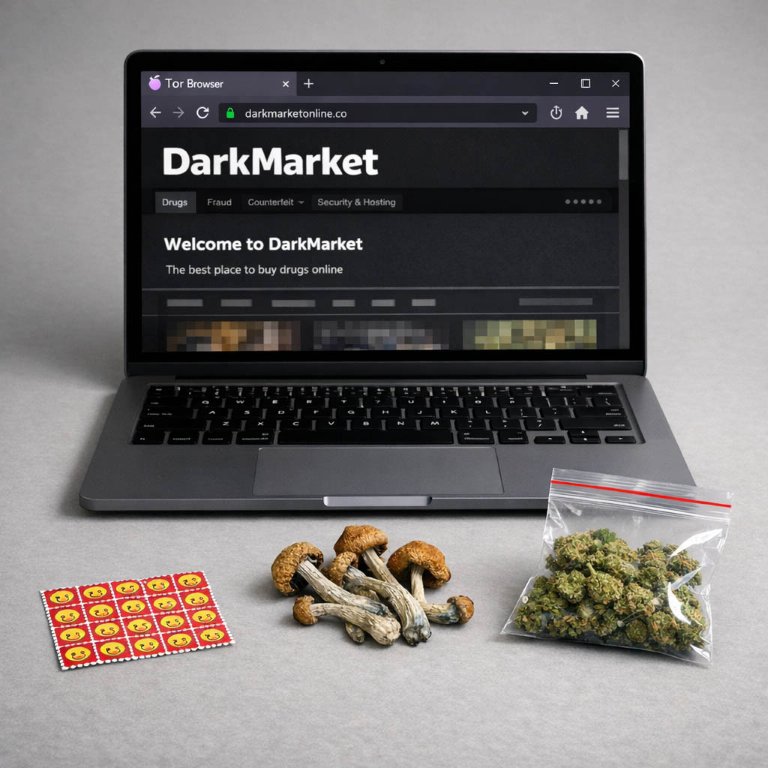
How Decentralization Keeps the Darknet Market Running Smoothly
The resilience of a darknet market is fundamentally tied to its decentralized architecture. Unlike traditional e-commerce platforms that rely on a central server, these markets operate on a distributed network. This structure means there is no single point of failure for law enforcement or malicious actors to target. If one node or relay within the Tor network is compromised, the system as a whole continues to function, rerouting traffic through other available pathways. This design directly supports market longevity and user security, making sustained trade possible.
This decentralization extends to market administration and financial flows. Transactions are secured by cryptocurrency and managed through multisignature escrow systems, which distribute control of funds between buyer, seller, and sometimes a third-party arbitrator. No single entity holds all the assets or data, which mitigates the risk of exit scams where an administrator absconds with user funds. The financial integrity of a transaction is thus enforced by the protocol itself, not by a potentially corruptible central authority.
Operational security is further reinforced by the community. A decentralized market relies on an open feedback and rating system where users collectively vet vendors. This creates a transparent reputation framework that is difficult to falsify systematically. High-quality vendors with consistent service accumulate positive reviews, which are visible to all potential buyers. This peer-based moderation ensures that reliability and product quality are maintained organically, as poor performance is quickly reflected in public ratings and affects future sales.
The combination of these factorsdistributed hosting, cryptographic finance, and community-driven trustcreates a robust ecosystem. It allows for a wide variety of goods to be traded with a remarkable degree of safety and discretion for all parties involved. The system's strength is not in its imperviousness, but in its ability to adapt and persist despite external pressures, ensuring continuous access and transactional security for its user base.
How Ratings Build Trust for Safer Buys
The reputation system is the foundation of trust on a darknet market. Every transaction concludes with the buyer leaving detailed feedback and a star rating for both the product and the vendor. This public record is permanent and cannot be altered by the seller, creating a transparent history of performance.
Vendors build their business on this feedback. A high score with thousands of positive reviews signals reliability and quality. Buyers consistently report on the accuracy of product descriptions, shipping speed, stealth of packaging, and the purity of substances. This collective verification acts as a powerful quality control mechanism, directly influencing a vendor's visibility and sales.
The system extends to dispute resolution. If an issue arises, the market's administrators review the communication history and the vendor's feedback profile before making a judgment. A vendor with a long history of positive reviews is more likely to be trusted in a dispute. This incentivizes vendors to maintain high standards over the long term, as a single negative review streak can severely damage their standing.
For buyers, this means shopping decisions are data-driven. Instead of relying on claims, they can assess a vendor's entire history. This transforms the darknet from an anonymous bazaar into a self-regulating marketplace where community-enforced reputation ensures safer transactions and higher quality goods for everyone.
How Darknet Markets Build Trust and Quality
The sustained operation of a darknet market depends directly on its ability to foster trust among anonymous participants. This is achieved through a multi-layered system that combines community-driven feedback with structured platform mechanisms. The foundation is the escrow service, which holds the buyer's cryptocurrency until the goods are received and confirmed. This neutralizes the risk of fraud for the buyer while ensuring the vendor is paid upon successful delivery, creating a balanced and secure transactional environment.
Vendor reputation is the primary metric for quality. Each transaction concludes with a detailed rating system where buyers evaluate:
- The accuracy of the product description
- The quality of the substance or item received
- The speed and discretion of shipping
- The vendor's communication
These cumulative ratings, often displayed as a score out of five, are publicly visible and directly influence a vendor's visibility and sales. A vendor with consistently high ratings and a long transaction history becomes a trusted seller, which is a valuable asset they are incentivized to protect. Markets further formalize this by introducing vendor bondsa significant cryptocurrency deposit required to list items. This bond can be forfeited if the vendor engages in scamming or consistently provides substandard products, acting as a financial deterrent against poor behavior.
Market administrators also play a crucial role in maintaining ecosystem health. They provide dispute resolution services, stepping in when a transaction goes awry to examine evidence from both parties and release escrow funds fairly. Furthermore, they implement listing standards that require clear photographs, precise weight designations, and accurate substance information. This standardization allows buyers to make informed comparisons, driving competition based on quality and service rather than deception. The result is a self-regulating commercial ecosystem where reliability is rewarded, poor performance is penalized, and the collective input of the community establishes a clear hierarchy of reputable sources.