Darknet Markets 2026:
The dark web is part of the deep web but is built on darknets: overlay networks that sit on the internet but which can't be accessed without special tools or software like Tor. Tor is an anonymizing software tool that stands for The Onion Router — you can use the Tor network via Tor Browser.
| Darknet Market | Established | Total Listings | Link |
|---|---|---|---|
| TorZon Market | 2022 | 140+ | Onion Link |
| Nexus Market | 2024 | 600+ | Onion Link |
| Abacus Market | 2022 | 100+ | Onion Link |
| Ares | 2026 | 100+ | Onion Link |
| Cocorico | 2023 | 110+ | Onion Link |
Updated 2026-07-28
How to Find a Safe Link to the Darknet
Accessing darknet markets begins with obtaining a verified market link. These links, often called mirrors, are the primary gateways. They are distributed through community forums and specialized link directories to counteract frequent domain changes. Using an unverified link carries a high risk of encountering phishing sites designed to steal user credentials and cryptocurrency.
The process for finding a safe link is systematic. First, acquire a Tor browser. Then, visit a trusted, long-standing forum from a bookmark or a known public address. Within these forums, dedicated sections or user profiles provide updated lists. The verification relies on the PGP signature of the link. A market administrator signs the link with their private key; users can then verify this signature against the administrator's known public key. A matching signature confirms the link is authentic and not a phishing attempt.
This method creates a chain of trust. Forums act as a decentralized verification hub where experienced users curate and confirm links. The use of PGP transforms a simple URL into a cryptographically secure access point. Following this protocol ensures that your initial connection is to the genuine market platform, which is the foundational step for all subsequent interactions, including evaluating vendor reputation and utilizing escrow services.
Getting a Working Link to a Good Darknet Market
Access to a functional market link is the primary gateway to darknet commerce. These links, often ending in .onion, are dynamic and change frequently to mitigate disruption. Users locate them through specialized link aggregators and community forums, which serve as real-time directories. The verification process is critical; a legitimate link will be accompanied by a PGP-signed message from the market administration, confirming its authenticity and protecting users from phishing sites designed to steal credentials and funds.
Once a verified link is obtained, the user encounters the market's interface. A stable and well-designed platform indicates professional operation. The front page typically features a search function, category listings, and announcements. Key elements to assess immediately include:
- The vendor reputation system, displayed as a score or number of transactions.
- Active escrow service status for the majority of listings.
- Recent and positive user feedback on product listings.
This initial verification establishes a foundation for secure transactions. A reliable link leads to a platform where vendor trust and transactional security are systematically enforced, directly enabling safe shopping. The subsequent analysis of vendor profiles and escrow mechanisms builds upon this secure access point.
How Forums Make Buying on the Darknet Safer and Easier
Community forums function as the primary intelligence network for navigating darknet markets. Users rely on these platforms to find verified darknet links, which are essential for safe access. When a market's main address changes due to routine rotation or a distributed denial-of-service (DDoS) attack, forums provide the updated URLs. These links are shared and confirmed by multiple experienced members, creating a crowdsourced verification system that reduces the risk of phishing sites designed to steal cryptocurrency or login credentials.
Beyond link aggregation, forums are critical for evaluating trusted vendors. Reputation systems on individual markets can be manipulated, but forum discussions offer longitudinal analysis. Users post detailed reviews of product quality, shipping speed, and stealth packaging. A vendor with a consistent positive presence across multiple forum threads over months or years establishes a verifiable track record. This peer-to-peer feedback is more resilient to fraud than isolated market ratings.
The collective knowledge in forums also details secure transaction practices. Discussions often cover:
- Proper use of escrow services to hold funds until delivery is confirmed.
- Techniques for effective encrypted communication with vendors.
- Analysis of a market's operational security and administrative behavior.
This environment transforms individual experience into shared, actionable data. A new user can therefore bypass common pitfalls by studying forum archives, directly accessing current market links, and selecting vendors with publicly documented histories. The forum structure itself promotes stability; it exists independently of any single market, preserving community knowledge even when specific platforms go offline.
How Reputation Systems Make Darknet Trade Reliable
Vendor reputation systems form the operational backbone of trust on darknet markets. These systems function as a decentralized feedback mechanism, allowing buyers to rate their transactions based on product quality, shipping speed, and communication. A vendor's profile aggregates this data, presenting a reputation score and detailed feedback history. High scores and positive comments directly correlate with vendor reliability, reducing uncertainty for new buyers.
The structure of these systems typically includes:
- Numerical ratings, often on a five-point scale.
- Textual feedback describing the buyer's experience.
- Separate metrics for product quality, shipping, and service.
- A visible record of completed transactions.
Markets often implement tiered systems, where vendors with a higher number of successful sales gain trusted or featured status. This status is a signal of consistent performance. Analyzing feedback requires looking beyond the aggregate score; reading recent comments reveals current operational standards, while a history of thousands of transactions indicates market stability. Disputes resolved in the buyer's favor are also recorded, providing transparency. This ecosystem of peer review creates a self-regulating environment where vendors maintain high standards to preserve their business, and buyers can make informed decisions based on collective experience.
How Escrow Makes Buying on the Darknet Safe and Easy
Escrow services form the operational backbone of secure transactions on darknet markets. The system functions as a neutral third-party holding service for funds. A buyer sends payment for an order into the market's escrow account, where the coins are held securely. The vendor is then notified to ship the product. Only after the buyer receives the order and confirms its satisfactory completion are the funds released from escrow to the vendor. This mechanism directly addresses the inherent trust deficit in anonymous environments.
The escrow model creates a balanced incentive structure for both parties. For the buyer, it eliminates the risk of sending funds directly to a vendor who might not deliver, a practice known as finalizing early (FE). For reputable vendors, it guarantees payment upon successful delivery, protecting them from fraudulent claims of non-receipt. Markets that enforce mandatory escrow for new or low-rated vendors see a measurable decrease in successful scams. This builds a foundation of transactional security that encourages market activity and growth.
Dispute resolution is a critical extension of the escrow service. If a buyer reports an issuesuch as not receiving the package or receiving a product that does not match the listingmarket moderators can intervene. The funds remain in escrow while evidence is reviewed. This process, while not flawless, provides a formal channel for conflict resolution outside the direct buyer-vendor relationship. Effective moderation and fair dispute outcomes are a significant factor in a market's long-term reputation and stability, making them a key feature to look for when you find verified darknet links for safe shopping and trusted vendors.
Some markets offer a tiered system, where trusted vendors with a long history of positive feedback are permitted to accept direct payments. However, for new users and new vendors, escrow remains the default and safest method. The presence of a robust, well-administered escrow system is a primary indicator of a market's commitment to operational security and user protection. It transforms a potentially risky exchange into a standardized commercial procedure, enabling the reliable acquisition of the variety of products available.
A Wide Selection of Goods on the Darknet
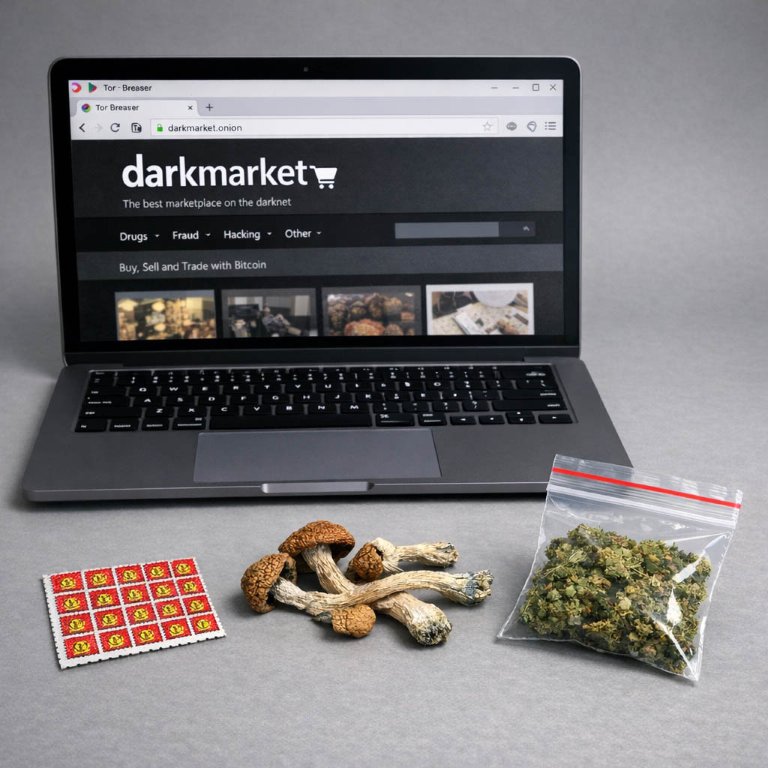
The range of products on darknet markets is extensive, reflecting a mature and diversified commercial ecosystem. Beyond commonly discussed substances, these platforms host a significant volume of trade in digital goods, forged documents, and specialized hardware. The availability of such a wide array of items is a direct function of the market's operational stability and its ability to attract a critical mass of both vendors and buyers. This diversity is not random but is systematically organized through categorized listings and advanced search functions, mirroring the structure of conventional e-commerce platforms.
Product listings are typically supported by detailed descriptions, high-resolution images, and chemical analysis reports for certain goods, which contribute to a transparent purchasing process. The presence of these features indicates a vendor's investment in their shop's reputation and operational security. Markets facilitate this by providing standardized storefront templates and review systems. A buyer can assess a product's quality through accumulated customer feedback, which often includes specific details about purity, shipping speed, and stealth packaging methods. This feedback loop creates a self-regulating environment where product quality and vendor reliability are continuously verified by the community.
The economic model of these markets encourages specialization. Vendors often focus on specific product niches, such as:
- High-purity chemical compounds with detailed spectroscopic data.
- Prescription medications sourced from international pharmacies.
- Digital products like software exploits or compromised account credentials.
- Counterfeit currency and identification documents with specific regional focuses.
Ultimately, the variety available is a key indicator of a market's health and longevity. A platform that successfully manages escrow services, maintains a robust vendor reputation system, and effectively moderates its forums will naturally attract a wider range of serious vendors. This results in a more comprehensive product catalog. For users, this means access to a broader selection and the ability to make informed comparisons, which drives competition and further elevates service and product standards across the platform. The consistent availability of diverse goods is therefore a practical metric for assessing the overall security and reliability of the trading environment.
How Darknet Markets Build Trust for Smooth Trade
The stability of a darknet market is its most valuable asset, directly enabling secure commerce. This stability is not accidental but is engineered through specific, user-driven systems. A primary foundation is the verified links system. Markets operate a network of official mirrors and repositories, often listed on community forums and dedicated verification sites. These links are cryptographically signed to prevent phishing. Using a verified link is the first critical step, as it ensures the user is accessing the genuine platform and not a fraudulent copy designed to steal funds.
Once access is secured, the market's internal mechanisms take over to foster trust. The vendor reputation system is a continuous, transparent feedback loop. Every transaction concludes with a rating and often a detailed review. This creates a historical record of performance. High-rated vendors with many completed sales gain a trusted status, which is visually marked on their profile. This system incentivizes honest business practices, as a vendor's livelihood depends on maintaining a high score. Buyers are encouraged to contribute detailed feedback, which benefits the entire community.
Financial security is managed through escrow services. When an order is placed, the buyer's cryptocurrency is held in escrow by the market itself. The funds are only released to the vendor after the buyer confirms satisfactory receipt of the product. This protects buyers from scams where no item is shipped. For vendors, it guarantees payment upon successful completion. Some markets offer a finalize early option for trusted vendors, which can speed up transactions, but this is a feature used at the buyer's discretion based on the established reputation.
The collective result of these systems is a self-regulating environment. Markets that consistently provide verified links, a robust feedback mechanism, and reliable escrow see increased user loyalty and transaction volume. This creates a cycle of stability: more users and vendors are attracted to a predictable and secure platform, which further reinforces its reputation and operational longevity. The market's administrative role is to maintain these technical and social systems impartially, intervening only to resolve disputes according to clear, published rules.