Darknet Markets 2026:
The dark web is part of the deep web but is built on darknets: overlay networks that sit on the internet but which can't be accessed without special tools or software like Tor. Tor is an anonymizing software tool that stands for The Onion Router — you can use the Tor network via Tor Browser.
| Darknet Market | Established | Total Listings | Link |
|---|---|---|---|
| TorZon Market | 2022 | 140+ | Onion Link |
| Nexus Market | 2024 | 600+ | Onion Link |
| Abacus Market | 2022 | 100+ | Onion Link |
| Ares | 2026 | 100+ | Onion Link |
| Cocorico | 2023 | 110+ | Onion Link |
Updated 2026-07-28
How to find a good darknet market link for shopping
Accessing a functional darknet market requires obtaining a current onion link, as these addresses frequently change for security. The primary method for discovery is through dedicated darknet forums and link directories, which act as community hubs. Users share and verify URLs, discussing their reliability and any connection issues. A link that is consistently reported as operational across multiple trusted sources is preferable.
Beyond simple accessibility, the quality of a market link is intrinsically linked to the platform's ecosystem. A stable market with a strong reputation typically features:
- A large base of established vendors with extensive positive feedback.
- An intuitive interface that facilitates easy browsing and order placement.
- Robust encryption and escrow services to secure transactions and communications.
The process of finding a link is therefore the first step in engaging with a system designed for discretion. Cryptocurrency payments, predominantly Bitcoin and Monero, are mandatory, providing a financial layer separate from traditional banking. This integration of a private payment method with an anonymized network creates a coherent environment for e-commerce where standard identifying data is absent. Vendor review systems are critical, transforming anonymous interactions into a trustworthy framework where past buyer experiences directly inform future purchasing decisions, promoting market quality and vendor accountability.
Secure Browsers for Private Darknet Access
Accessing a darknet market requires specialized software designed to protect user identity and network traffic. The primary tool for this is the Tor Browser, which routes internet connections through a distributed network of relays operated by volunteers worldwide. This process, known as onion routing, encrypts data multiple times and peels away each layer at a successive relay, obscuring the user's original IP address and making online actions difficult to trace. For enhanced privacy, some users employ the Tails operating system, a live system that runs from a USB drive and leaves no digital footprint on the host computer, ensuring all connections are forced through Tor.
These browsers and systems are fundamental for securely reaching a darkmarket link. They create the necessary anonymity layer that allows buyers and vendors to interact without exposing their physical location or identity. This technological foundation supports the entire ecosystem, enabling the review of trusted vendor profiles and facilitating private cryptocurrency payments. The integration of these tools demonstrates how privacy-centric technologies directly enable secure and discreet e-commerce platforms on the darknet.
How Crypto Makes Darknet Trade Safe and Private
Cryptocurrency is the financial backbone of the darknet, enabling transactions that are both secure and private. Unlike traditional banking, cryptocurrency payments do not require personal identifiers such as a name or address. The transaction record exists on a public ledger, the blockchain, but it only shows wallet addresses and amounts, not the identities of the people involved or the nature of the goods purchased. This creates a fundamental layer of financial privacy for users.
The security of these payments is enhanced by the cryptographic principles underlying the currency itself. When a buyer sends funds to a vendor's wallet, the transaction is secured through complex mathematical algorithms. This makes the payment irreversible and tamper-proof, protecting the vendor from fraudulent chargebacks that are common in traditional e-commerce. To further obscure the money trail, users often employ additional privacy techniques:
- Using privacy-centric coins like Monero (XMR), which are designed to hide transaction details by default.
- Utilizing a mixing service or coin tumbler for Bitcoin, which pools and redistributes funds to break the link between sender and receiver.
- Transferring funds through intermediate private wallets before depositing to a market, adding another step between their identity and the purchase.
This system benefits the marketplace ecosystem by facilitating a smooth and trusted exchange. Vendors receive payments quickly and securely, which incentivizes reliable service and high-quality products. The escrow system, where the market holds the cryptocurrency until the buyer confirms receipt, is only possible because of the digital and programmable nature of these assets. This builds a self-regulating economy where buyer reviews and finalizing escrow directly influence a vendor's reputation and income, promoting overall market integrity and consumer satisfaction.

How Encryption Keeps Your Darknet Shopping Private and Secure
Encryption is the fundamental technology that enables private and secure transactions on darknet markets. It functions as an unbreakable seal for digital information, ensuring that communications between a buyer and a vendor, as well as financial transactions, remain confidential and tamper-proof. When you access a market using a darknet link, your connection is wrapped in multiple layers of encryption. The first layer is provided by the Tor network itself, which encrypts your traffic and routes it through several relays, obscuring your original IP address and physical location from the market servers and any potential eavesdroppers.
Beyond the network layer, end-to-end encryption (E2EE) is used for all messaging within the market platform. This means that your order details, shipping addresses disguised as decoy information, and any conversation with a vendor are encrypted on your device and can only be decrypted by the recipient's device. The market administrator cannot read these messages, which protects users from surveillance and ensures that sensitive operational data remains secure even if the market is compromised. This direct encryption between parties fosters a secure environment for commerce.
Cryptocurrency payments are secured through cryptographic principles as well. When you send funds from your wallet to the market's escrow system, the transaction is recorded on a public blockchain, but the identities behind the wallet addresses are encrypted and pseudonymous. The use of unique addresses for each transaction further enhances privacy. The combination of these encryption methods creates a robust framework for activity protection:
- Traffic encryption via Tor anonymizes your connection to the market.
- End-to-end encryption secures all communications and order details.
- Cryptographic blockchain protocols ensure pseudonymous financial transactions.
This integrated approach allows individuals to engage in commerce with a high degree of confidence in their privacy. The system's design ensures that personal information and transactional data are accessible only to the intended parties, making darknet markets a viable platform for secure shopping where privacy is a primary feature of the service.
How Darknet Markets Work for Buyers
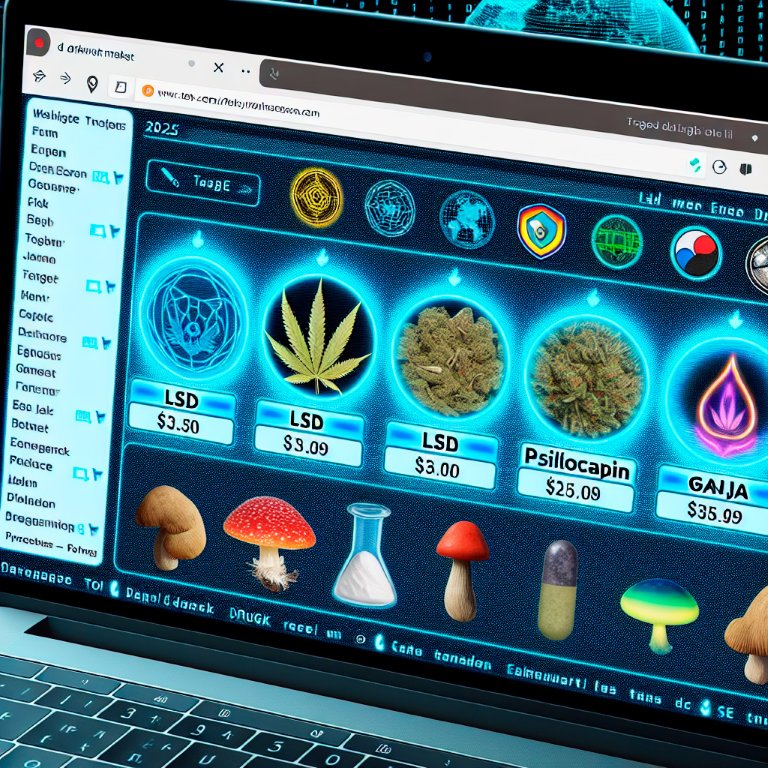
The anonymous user experience on a darknet market is defined by layers of privacy technology working in concert. It begins with access through a specialized browser like Tor, which obscures the user's network location by routing traffic through a distributed network of relays. This initial step creates a separation between the user's physical identity and their market activity.
Upon entering a market, the interface often resembles that of conventional e-commerce platforms, with product categories, shopping carts, and vendor storefronts. This familiar design reduces friction for new users. The core of the anonymous experience, however, is the encrypted communication system. All messages between buyer and vendor are secured with PGP encryption, ensuring that only the intended recipient can read the contents, including delivery addresses.
Financial anonymity is maintained through cryptocurrency transactions, primarily Bitcoin or Monero. Payments are made to escrow, which holds the funds until the buyer confirms receipt of the product. This system protects both parties and builds trust without revealing bank details. The transaction is recorded on the blockchain, but the identities of the wallets involved are pseudonymous.
User trust is operationalized through a transparent feedback and review system. After a transaction, buyers can leave detailed reviews and ratings on the product and vendor performance. This creates a self-regulating environment where vendors with consistent, high-quality service and reliable products develop strong reputations. New users rely heavily on this accumulated feedback to make informed purchasing decisions, creating a decentralized form of credibility assessment.
The entire experience is sustained by community resources. Reliable darknet market links are shared and verified on independent forums and link directories. These platforms act as a resilient infrastructure, allowing markets to adapt and new ones to emerge, ensuring continuous access for users seeking private commerce.
How Reviews Make Darknet Markets Work
The darknet market ecosystem operates without traditional legal safeguards, making vendor reviews the primary mechanism for establishing trust and security. This user-generated feedback system directly substitutes for institutional guarantees found in surface web e-commerce.
Each transaction review contains specific data points: product quality accuracy, shipping speed, stealth packaging methods, and communication responsiveness. Potential buyers aggregate this data to form a statistical profile of vendor reliability. A vendor with hundreds of consistent positive reviews across multiple marketplaces demonstrates a proven operational history, reducing the perceived risk for new customers. The review system inherently penalizes bad actors; a vendor who fails to deliver or misrepresents products receives negative feedback, which quickly diminishes their sales potential and excludes them from the platform.
The structure of reviews creates a self-policing environment. Escrow systems, where cryptocurrency funds are held in trust until delivery is confirmed, are a critical component. A buyer only finalizes the escrow and leaves a review after satisfactory receipt of the product. This ties financial compensation directly to performance, incentivizing vendors to maintain high standards. Forums and marketplaces often feature detailed review templates, encouraging users to provide structured, actionable information beyond simple ratings.
This results in a reputation-based economy. High-tier vendors with long-standing positive reputations can command premium prices, mirroring legitimate commercial systems. The cumulative review history acts as a non-transferable asset for the vendor, encouraging long-term honest business practices to protect this capital. Consequently, for a user seeking a reliable darknet market link, the density and consistency of vendor reviews on that platform are a more significant indicator of safety than the market's front-end design alone.
Finding Working Darknet Market Links on Forums
Locating a functional darknet market link is a foundational step for secure access. Specialized forums and link directories serve as the primary, community-vetted repositories for this information. These platforms operate on a principle of collective verification, where users actively report and discuss the status of market URLs.
Forums dedicated to darknet commerce provide more than just lists of links. They host discussions where users share their recent access experiences, warn others about phishing sites designed to steal credentials, and confirm the legitimacy of new addresses. A link that is consistently mentioned as operational by multiple trusted forum members over time carries significant weight. This real-time feedback loop is superior to static lists, as market links frequently change to mitigate disruption.
Link directories, or superlists, aggregate this information into a more organized format. A reputable directory will categorize markets, note their current status (online/offline), and sometimes include user ratings. The most reliable directories are themselves frequently updated and linked from major forums. The credibility of both forums and directories is enhanced by their use of cryptographic signatures and PGP verification for announcements, ensuring the information has not been altered.
The process for a user involves consulting these resources in a specific order to maximize safety:
- First, access a well-known, long-standing forum through a trusted address.
- Second, navigate to the forum's market section or find its recommended directory link.
- Third, cross-reference any potential market link with recent forum posts to confirm it is not a phishing attempt.
- Finally, use the verified link to access the market, where further security checks, like verifying the market's own PGP-signed welcome message, should be completed.
This ecosystem of forums and directories creates a decentralized and resilient method for discovering access points. It relies on the community's collective effort to filter out malicious actors and maintain a current list of working gateways, which directly supports the stability and user security of the darknet e-commerce environment.
How Good Security Makes Darknet Markets Work
The sustained operation of a darknet market is fundamentally dependent on the collective practice of operational security, or OPSEC. This is not a feature provided by the platform alone but a shared responsibility between administrators, vendors, and buyers. A market's longevity directly correlates with the security discipline of its user base. When all participants adhere to strict protocols, the entire ecosystem becomes more resilient.
For market administrators, OPSEC involves sophisticated server management, robust encryption for all communications and stored data, and the implementation of financial safeguards like multisignature escrow. These technical measures create a secure foundation. However, this infrastructure is compromised if users engage in poor security practices, such as discussing transactions on insecure channels or reusing passwords. Therefore, the market's survival is equally tied to user behavior.
The principle extends to every transaction. A buyer employing a dedicated privacy browser, using cryptocurrency tumbled for anonymity, and carefully verifying vendor PGP keys contributes to the market's security posture. Similarly, a vendor who meticulously packages products, avoids predictable shipping patterns, and maintains encrypted logs protects their customers and, by extension, the market's reputation and operational continuity. This creates a virtuous cycle where good security begets trust and stability.
Ultimately, a darknet market is a decentralized e-commerce platform that thrives on anonymity. Its continued operation is not guaranteed by technology alone but by the consistent and correct application of security practices by every individual involved. The most reliable market links lead to platforms where this culture of operational security is deeply ingrained and actively maintained by the community.
How Decentralized Markets Make Darknet Shopping Safer and More Reliable
Decentralized e-commerce platforms represent a structural evolution in darknet commerce, moving away from a single point of failure. Unlike traditional marketplaces that rely on centralized servers, these platforms operate on distributed networks, often using peer-to-peer technology or blockchain-based systems. This architecture makes the platform inherently more resilient to takedowns by authorities, as there is no central server to seize or shut down. For the user, this translates to greater longevity and reliability in accessing market links and completing transactions.
The operational model enhances security for both buyers and vendors. Transactions and communications are typically routed through multiple nodes, complicating any attempt at traffic analysis. The use of smart contracts can automate escrow services, releasing cryptocurrency funds only upon the confirmation of a successful delivery, which reduces the risk of fraud. This system reinforces the trust mechanism established by vendor reviews, creating a more autonomous and secure trading environment.
From a practical standpoint, finding a working darknet market link for a decentralized platform often involves accessing specific forums or directories that list peer addresses or .onion URLs for the network's entry points. Once connected, the user experience is designed for privacy and security, with all activities, from browsing to cryptocurrency payments, being encrypted by default. The decentralized nature means that even if one node disappears, the network remains accessible through others, ensuring continuous operation and access to goods and services.