Darknet Markets 2026:
The dark web is part of the deep web but is built on darknets: overlay networks that sit on the internet but which can't be accessed without special tools or software like Tor. Tor is an anonymizing software tool that stands for The Onion Router — you can use the Tor network via Tor Browser.
| Darknet Market | Established | Total Listings | Link |
|---|---|---|---|
| TorZon Market | 2022 | 140+ | Onion Link |
| Nexus Market | 2024 | 600+ | Onion Link |
| Abacus Market | 2022 | 100+ | Onion Link |
| Ares | 2026 | 100+ | Onion Link |
| Cocorico | 2023 | 110+ | Onion Link |
Updated 2026-07-28
Setting Up for Safe and Easy Darknet Shopping
Accessing a darknet market requires specific software that provides the necessary anonymity. The Tor Browser is the fundamental tool, as it routes internet traffic through a distributed network of relays, concealing a user's location and activity. This obfuscation is essential for reaching .onion domains, which are the standard addresses for these platforms. Before any search for a market can begin, downloading and verifying the Tor Browser from its official source is the first operational step.
Finding a functional market link is a dynamic process due to the frequent change of .onion addresses. Users rely on updated directories and community forums that aggregate verified links. These resources are often hosted on clearnet sites or within the Tor network itself and are maintained by users who test and confirm accessibility. A link's presence on multiple reputable directories increases its reliability.
Upon entering a market, vendor selection is guided by a transparent reputation system. This system quantifies a seller's history through:
- Detailed feedback scores and written reviews from past transactions.
- A recorded number of completed sales and the duration of their market presence.
- Badges or trust levels assigned by the market administration for consistent performance.
Secure transactions are facilitated by two key mechanisms. Cryptocurrency, primarily Bitcoin or Monero, is used for payment due to its pseudo-anonymous nature. More critically, the escrow service held by the market platform protects the buyer. Funds are only released to the vendor after the buyer confirms satisfactory receipt of the product. This system ensures a balanced and secure exchange for both parties, establishing a foundational trust within the market's operational framework.
How a Darknet Works Like Your Favorite Online Shop
Finding a functional darknet market link is the first step, analogous to locating an online store's web address. These links change frequently due to normal operational security and server rotations. Users rely on updated directories and community forums, which act as dynamic directories, to find current URLs. A valid link provides access to a platform structured for commerce, with a searchable catalog, shopping cart, and checkout system.
Once inside, the process mirrors conventional e-commerce. Vendors operate storefronts, listing products with descriptions, prices, and shipping options. The critical differentiator is the reputation system. Each vendor and product listing features a detailed feedback score and user reviews. This transparent record of past transactions builds trust and allows buyers to make informed decisions. A vendor with a long history and thousands of positive reviews is generally considered reliable.
Secure purchases are facilitated by two integrated mechanisms:
- Cryptocurrency wallets on the market handle payments, providing anonymity and eliminating traditional financial intermediaries.
- Escrow services automatically hold the buyer's cryptocurrency until the order is confirmed as received. This system protects both parties: vendors are assured of payment commitment, and buyers are assured they only release funds upon satisfactory delivery.
The combination of a working link, a vendor's established reputation, and the enforced escrow process creates a secure environment for trade. The market's design incentivizes honest dealings, as vendors build financial success through consistent positive feedback, while buyers minimize risk by utilizing these built-in safeguards.
How Cryptocurrency Makes Buying on the Darknet Easy and Secure
Cryptocurrency transactions are fundamental to the darknet ecosystem, providing a layer of financial privacy that traditional payment systems cannot offer. The process begins with acquiring a common cryptocurrency like Bitcoin (BTC) or Monero (XMR) from a reputable exchange. Monero is increasingly preferred for its enhanced privacy features, as its blockchain obscures transaction details better than the pseudo-anonymous Bitcoin ledger. Once obtained, the coins are transferred to a personal wallet controlled solely by the user, not held on the exchange platform. This intermediate wallet step is critical, as it breaks the direct link between the user's identity on the exchange and the final destination of the funds on the darknet.
The actual payment to a vendor is conducted through a unique, automatically generated cryptocurrency address provided by the market's escrow system for each order. The market holds the funds in escrow until the buyer confirms satisfactory receipt of the goods, at which point the vendor is paid. This mechanism protects both parties. The cryptographic nature of these transactions ensures that payments cannot be reversed or charged back, which reinforces the need for a robust reputation and escrow system to mediate disputes. For optimal security, users should employ a new address for every transaction, a practice known as avoiding address reuse, which complicates external analysis of spending patterns.

How Reputation Systems Make Buying on the Darknet Safer
The operational integrity of a darknet market is directly dependent on the reliability of its vendors. A functional market link provides the gateway, but the vendor reputation system is the critical mechanism that establishes trust and facilitates secure commerce. These systems are sophisticated adaptations of feedback models used by mainstream e-commerce platforms, designed to function in an environment where legal recourse is absent.
Vendor profiles display quantifiable metrics: the total number of transactions, a five-star rating, and detailed feedback comments. A high transaction count indicates experience and stability. The feedback is not a simple positive/negative binary; it is often categorized. Buyers rate specific aspects of the transaction.
- Product quality: Matching the advertised description and purity.
- Stealth and shipping: The professionalism of packaging and delivery time.
- Communication: The vendor's responsiveness and clarity.
Analyzing this feedback over time reveals patterns. Consistent positive reviews across hundreds of sales signal a trustworthy vendor. Temporary dips in rating may occur due to postal delays outside a vendor's control, while sudden, sustained negative feedback often indicates a "selective scam" or a drop in product quality. The escrow system is intrinsically linked to reputation. Funds are held in escrow until the buyer confirms satisfactory receipt of the order. This prevents vendors from accepting payment and not shipping product. A vendor with a long history of successful escrow releases is a lower-risk choice. New vendors often start with a "FE" (Finalize Early) status, requiring buyers to release escrow before delivery, which carries higher risk. This status is typically removed after building a verifiable track record.
Therefore, finding a working market link is only the first step. A secure purchase is completed by selecting a vendor whose reputation metrics are consistent, detailed, and span a significant history of completed escrow transactions. This user-driven accountability creates a self-regulating environment where reputable vendors are financially incentivized to maintain high standards, as their business viability depends on their profile's public score.
How Escrow Makes Buying on the Darknet Safer
Escrow services are a fundamental component of secure transactions on darknet markets, functioning as a neutral third party that holds a buyer's cryptocurrency payment until the order is successfully delivered. This system directly addresses the inherent trust deficit in anonymous environments. When a purchase is made, the funds are locked in escrow and are not immediately released to the vendor. This mechanism incentivizes the vendor to ship the product as described and to maintain reliable communication.
The buyer then has a defined period to confirm receipt and quality of the goods. Only after the buyer finalizes the order (FE) are the funds, minus the market's commission, transferred to the vendor's account. This process effectively minimizes the risk of two primary fraud types:
- Vendor fraud: Sellers cannot simply take payment and disappear without shipping the product.
- Buyer fraud: Buyers cannot falsely claim non-receipt to receive both the product and a refund.
For transactions to proceed smoothly, both parties must use verified market links from updated directories. Accessing a market through a phishing link can compromise login credentials and lead to direct theft of funds held in escrow. Therefore, the security provided by escrow is contingent upon initial access through a legitimate gateway. Reputable vendors understand that consistent performance under escrow conditions builds their reputation score, which is publicly displayed and critical for attracting future business. The escrow model thus creates a self-reinforcing cycle of accountability and trust, enabling commerce to flourish by aligning the financial interests of the vendor with the satisfaction of the buyer.

Getting What You Need on the Darknet
Access to a darknet market begins with a working link. These links, often called onion URLs, are the gateway. They change frequently due to routine maintenance or distributed denial-of-service (DDoS) attacks. Users do not search for these on the clear web. Instead, they rely on updated link directories and forums. These resources are maintained by community members who verify the authenticity of each URL to prevent phishing. Using a verified directory is the first step in securing access.
Once inside a market, finding a specific product involves using the platform's search and filter functions. Categories are organized similarly to conventional e-commerce sites. For medications, this includes subcategories based on substance type and intended effect. Product listings contain detailed descriptions, photographs, and clear pricing. The description specifies dosage, purity, and country of origin. This level of detail allows for informed decision-making based on individual requirements.
The most critical factor in a successful transaction is vendor selection. Markets implement a reputation system for this purpose. Each vendor profile displays a numeric rating and written feedback from previous buyers. A high rating over thousands of transactions indicates consistency. Reviews comment on stealth packaging, communication speed, and product quality. Engaging with a top-rated vendor significantly reduces risk. Newer vendors often offer lower prices to build their reputation, presenting a calculated opportunity for buyers.
Financial security is managed through cryptocurrency and escrow services. Bitcoin and Monero are common. The market's escrow system holds the buyer's payment until the order is confirmed as received. Only then is the cryptocurrency released to the vendor. This mechanism protects both parties from fraud. For additional security, many users employ a multisignature escrow option, requiring two out of three cryptographic keys to release funds, further decentralizing trust.
The process for acquiring medications follows this established framework. Buyers locate a substance, verify the vendor's history, and place an order using escrow. The transaction's success relies on the market's operational stability and the vendor's professionalism. This system provides a structured alternative, meeting demand through a user-driven feedback loop that rewards reliable vendors and marginalizes poor performers. The continuous evolution of markets and links is a direct response to this demand for secure, efficient access.
How to Keep Finding Working Darknet Links for Your Trade
The dynamic nature of darknet market links is a direct function of operational security and market competition. Links change frequently due to Distributed Denial of Service (DDoS) attacks from rival markets, which can make a site unreachable. Administrators also proactively rotate URLs and domains to evade simple blocklists and complicate the efforts of any entity attempting to catalog permanent addresses. A market may also perform a controlled migration to a new server infrastructure, requiring a fresh .onion address to be disseminated to its user base.
To find new, working links, users rely on decentralized and updated resources. Specialized darknet market directories and forums are the primary tools. These platforms function as community hubs where moderators and experienced users verify and post fresh URLs. The process involves:
- Consulting multiple, reputable directories rather than a single source to cross-verify information.
- Participating in established darknet forums where link lists are maintained in dedicated threads, often with user feedback on accessibility.
- Using verified public PGP keys from market administrators to confirm the authenticity of a new link, as a genuine address will be signed with a key that matches the one published prior to the migration.
This ecosystem ensures that despite frequent changes, reliable access is maintained through community-driven verification. The constant renewal of links, while an inconvenience, reinforces the resilience of the darknet marketplace model, allowing for continuous service and the safe facilitation of trade for a wide range of products, including pharmaceuticals and other digital goods.
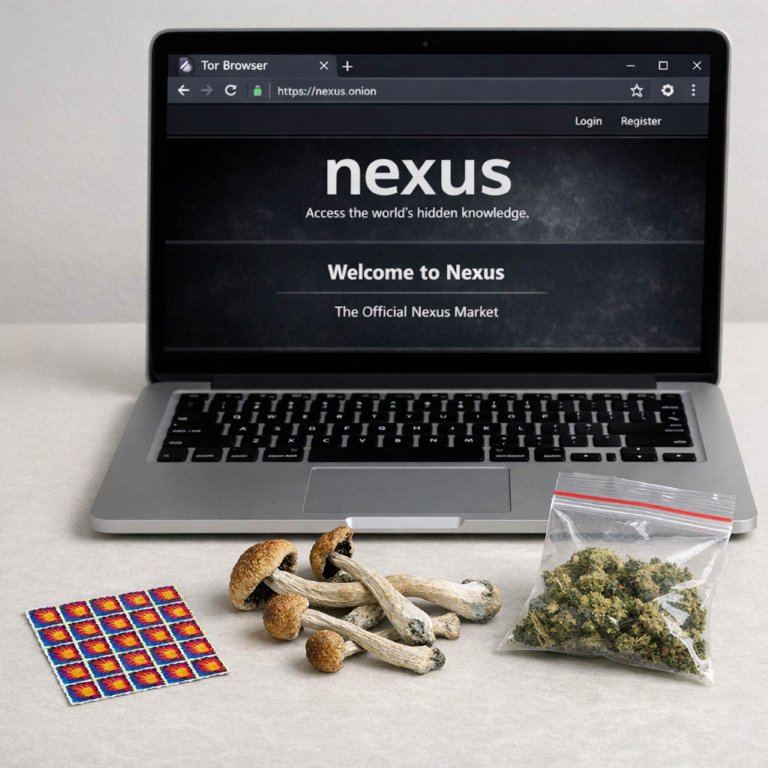
Finding Working Links for Easy Darnet Shopping
Access to a darknet market begins with a reliable onion link. These links, which are the market's web addresses, change frequently as a standard security and operational practice. This rotation prevents single points of failure and maintains platform integrity. Therefore, using an updated directory is not optional but a fundamental step for secure entry. These directories function as curated lists, verified by community feedback and technical checks to filter out phishing sites and scams.
The process of finding a working link through a directory is straightforward. A user visits a trusted directory site, which presents a list of known markets. Each listing typically includes:
- The market's name and a brief description of its focus.
- The current, verified .onion URL.
- Status indicators showing if the market is online.
- A link to the market's public PGP key for verification.
Once a potential market is selected, verification is critical. The provided PGP key allows a user to cryptographically confirm that the link leads to the genuine market and not a fraudulent mirror. This step ensures that login credentials and any initial data are not compromised. After access is established, the directory's role extends to vendor discovery. Reputable directories often aggregate or link to vendor reputation scores and reviews from multiple sources, providing a consolidated view of a seller's history regarding product quality, shipping reliability, and communication.
This system creates a positive cycle for market health. Active directories with user-reported status updates help the community collectively avoid defunct or compromised markets. They elevate markets and vendors with consistent performance, as these entities maintain a visible and stable presence. Consequently, for the user, the consistent use of updated directories translates directly to reliable access and a higher probability of successful transactions with trusted counterparts, forming the stable foundation upon which the entire procurement process is built.